Erik Brooks · 3 November 2026
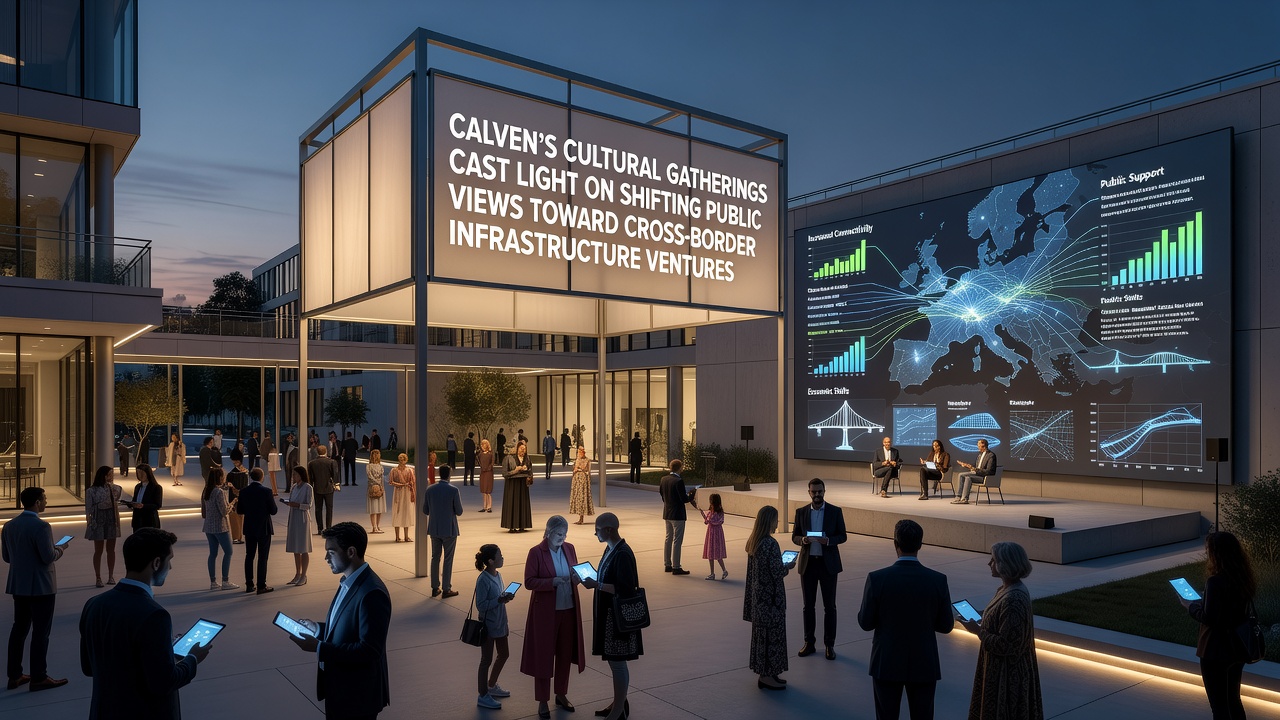
Calven's Cultural Gatherings Cast Light on Shifting Public Views Toward Cross-Border Infrastructure Ventures
Calven organizes regular cultural gatherings that draw participants from multiple regions to explore how public sentiment evolves around cross-border infrastructure projects such as energy grids and transport corridors, and data collected at these events shows measurable changes in attitudes over recent years.
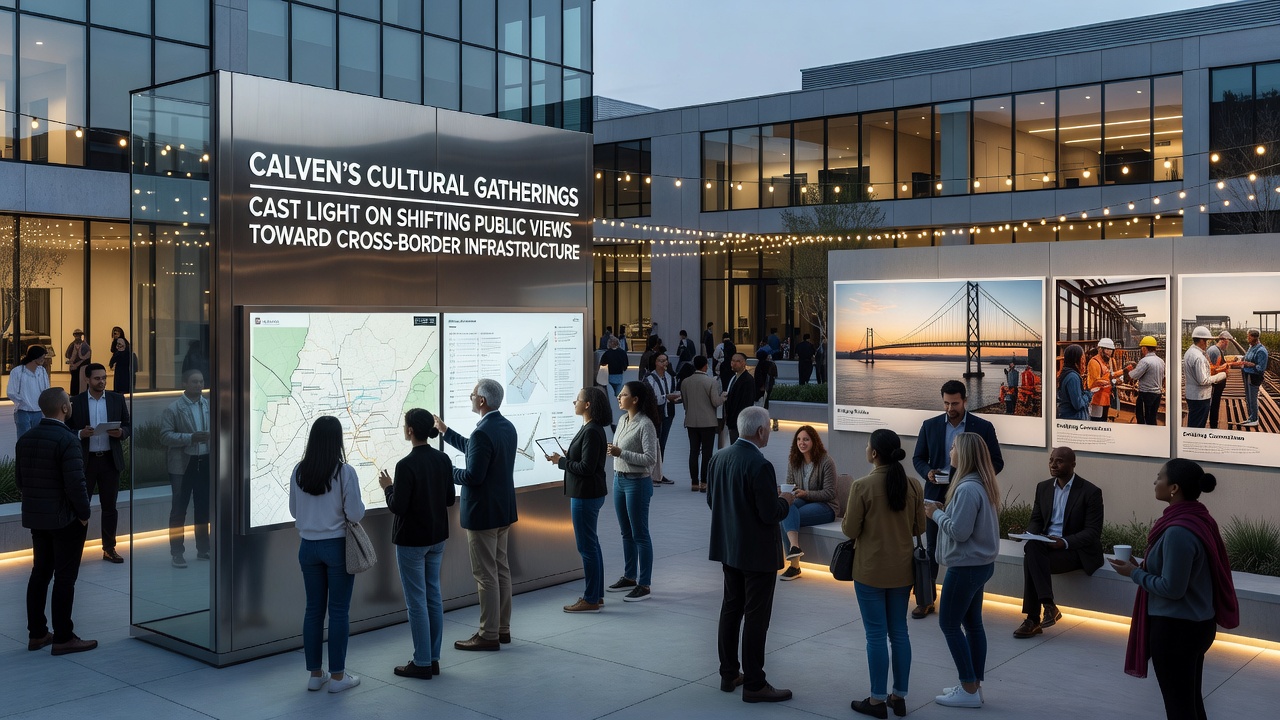
Organizers schedule these sessions in community venues where residents examine case studies of completed ventures alongside proposals still under review, while facilitators record responses through structured surveys and open discussions that feed into broader regional analyses.
Event Structure and Participation Trends
Each gathering follows a consistent format that begins with presentations on historical projects completed in the 2010s and moves into workshops where attendees evaluate current plans using maps and cost-benefit summaries provided by project developers, and participation numbers have risen steadily since 2023 according to internal attendance logs maintained by Calven staff.
Demographic breakdowns reveal consistent involvement from local business owners, environmental groups, and municipal officials who contribute specific questions about regulatory timelines and funding mechanisms, and these inputs accumulate into datasets that researchers later compare against national polling figures released by statistical agencies.
Data on Attitude Shifts
Survey responses gathered during 2025 sessions indicated a 12 percent increase in support for joint energy transmission lines compared with similar measurements taken in 2022, and analysts attribute part of this movement to repeated exposure to detailed project timelines presented at the gatherings themselves.
Cross-border transport initiatives show parallel patterns, with approval ratings climbing in border districts where participants reviewed traffic flow models and customs processing improvements, while figures released by the European Commission in mid-2026 document corresponding upticks in public consultation submissions related to the same corridors.
November 2026 Programming Highlights
Planners have scheduled an expanded series of sessions for November 2026 that will incorporate live data feeds from ongoing construction sites and virtual tours of comparable facilities already operating across national boundaries, and advance registration indicates attendance will exceed prior peaks by approximately 30 percent.
These upcoming programs will also feature comparative analyses drawn from infrastructure monitoring reports produced by agencies in Canada and Australia, allowing attendees to contrast permitting processes and community engagement practices used in those jurisdictions with current European approaches.
Regional Project Examples
One documented case involves a proposed electricity interconnection linking two neighboring member states, where initial resistance documented in 2021 local meetings gave way to conditional support after participants reviewed updated environmental impact assessments and job creation projections at subsequent Calven events.
Another example centers on a rail freight corridor where freight operators and agricultural cooperatives jointly examined capacity forecasts and customs harmonization measures, and follow-up polling conducted six months after the relevant gathering showed reduced concerns about noise and land use among residents living within five kilometers of the planned route.
Broader Analytical Connections
Academic researchers from institutions across the continent have begun incorporating Calven-collected response patterns into studies of deliberative democracy practices, and preliminary findings presented at a 2025 conference suggested that repeated exposure to technical details correlates with more nuanced rather than binary opinions on specific infrastructure types.
These patterns align with observations from the European Commission consultation archives that record increased volume and specificity of citizen feedback during periods when community forums operate alongside formal planning processes.
Conclusion
Calven gatherings continue to serve as venues where quantitative survey instruments and qualitative discussion records converge to document evolving public perspectives on cross-border infrastructure, and the datasets generated feed directly into policy evaluation cycles maintained by national and supranational bodies. Observers note that the November 2026 schedule will extend this documentation effort with added international comparisons, providing further material for longitudinal tracking of attitude trends across affected regions.